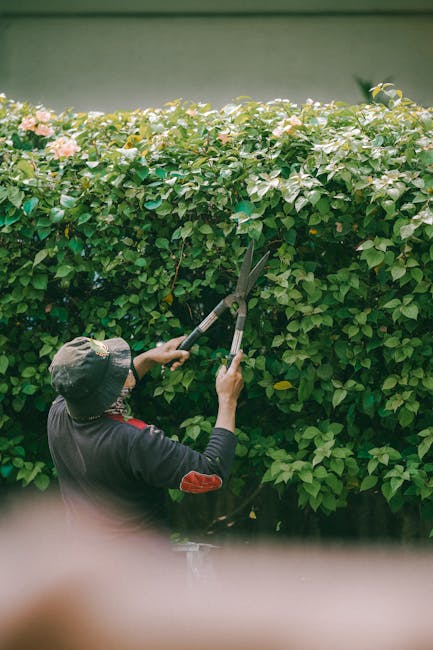
Cheap gardeners Woolwich SE18 real cost and quality

If you are searching for cheap gardeners Woolwich SE18 real cost and quality, you are probably trying to answer two questions at once: how little can I pay? and what am I likely to get for that money? Fair enough. In garden work, the cheapest quote is not always the best deal, and the priciest one is not always the safest either. The real trick is understanding what drives the price, what "good" actually looks like, and where the budget options start to bite back later.
This guide breaks down the practical side of hiring a gardener in Woolwich SE18 without the fluff. You will see how pricing is usually shaped, what affects quality, which jobs are genuinely affordable, and where to be careful if a quote looks suspiciously low. We will also cover local realities, sensible questions to ask, and a simple way to compare options without getting overwhelmed. Let's face it, the garden does not care what you paid. It only cares whether the work was done properly.
Why Cheap gardeners Woolwich SE18 real cost and quality Matters
Cheap garden work can be brilliant value, but only if the low price reflects efficiency, not corner-cutting. In Woolwich SE18, gardens vary a lot. Some are small front spaces that need a tidy mow and light pruning. Others are overgrown back gardens with brambles, heavy waste, awkward access, or tired surfaces that have not been touched in months. Those differences matter far more than people realise.
A low quote may be perfectly reasonable for a straightforward job. For example, a neat lawn cut, hedge trim, and quick litter pick can often be handled efficiently if the garden is already in decent shape. But if the space has become tangled, wet, or full of debris, the labour time rises fast. If a price seems too low for the amount of work described, something has to give: time, attention, disposal, or aftercare. Usually, it is one of those. Sometimes all four.
Quality matters because garden work is visible, immediate, and cumulative. A rushed cut can leave patches. A poor hedge trim can take months to recover. Bad clearance can leave hidden waste or damaged plants. And if a contractor uses weak methods on trees, fencing, or decking edges, you may pay twice. That is why the real cost is not only the invoice. It is also the follow-up work, the time lost, and the frustration of putting things right later.
There is another layer too: trust. Gardeners work around private homes, side access, bins, locks, tools, and outdoor storage. You want someone who is respectful, organised, and clear about what they are doing. For a lot of homeowners and landlords, that matters just as much as the money. To be fair, if somebody can offer a sharp price and turn up on time, tidy up properly, and leave the place looking cared for, that is a win.
Expert summary: the cheapest gardener is only "cheap" if the work is completed properly, waste is handled sensibly, and you do not need to pay again to fix sloppy results. Real value sits in the balance between cost, reliability, and finish quality.
How Cheap gardeners Woolwich SE18 real cost and quality Works
Most gardening quotes are built from a handful of practical factors. Once you understand them, the pricing stops looking mysterious.
1. The size and condition of the garden
A small, tidy space with light maintenance needs is quicker to manage than an overgrown plot. That sounds obvious, but it is the biggest driver of cost. The state of the garden matters just as much as square footage. A compact yard with dense brambles can take longer than a larger but well-kept lawn.
2. The type of task
Routine work such as lawn mowing usually costs less than specialist or labour-heavy work like tree pruning, clearance, or reshaping beds. Hedges, clearance, and lawn care each need different tools, timing, and disposal methods. A gardener quoting for a mixed job will usually factor in the hardest part, not just the easiest.
3. Waste removal
Green waste can be a hidden cost. If clippings, branches, soil, or old cuttings need to be bagged and removed, the job becomes more involved. Some gardeners include disposal in the price, while others separate it. If you do not ask, the final bill can feel a bit woolly. Not ideal.
4. Access and logistics
Side access, parking, stairways, narrow gates, shared entrances, and the need to carry waste through the property all affect labour time. In parts of SE18, access can be straightforward one day and awkward the next, especially where vehicles, terraces, or compact plots are involved.
5. Frequency of visits
Regular maintenance is often better value than one-off rescue jobs. A weekly or fortnightly visit can keep a garden manageable, which reduces the time needed per visit. That usually makes the work more predictable and more affordable in the long run. A one-off visit after months of neglect is often the expensive one, even if it starts with a "cheap" advert.
6. Skill level and service scope
There is a real difference between a quick tidy-up and a proper garden maintenance visit. A more experienced gardener may work faster and notice problems sooner, which often saves money over time. You can also get more structured services through pages such as garden maintenance or services overview when you want recurring care rather than a one-off cut.
In simple terms: low cost is usually possible when the work is routine, access is easy, and expectations are clear. Quality is protected when the quote includes the right labour, the right tools, and enough time to do the job properly.
Key Benefits and Practical Advantages
There is a sensible middle ground between "cheap" and "careless." When you find it, the benefits are real.
- Better control over household costs. Garden care can be kept affordable if you choose the right frequency and scope.
- Less stress. A tidy garden is one less thing hanging over you at the weekend.
- Improved kerb appeal. Whether you are living there or letting the property, a clean, neat outdoor space helps.
- Fewer bigger repairs later. Regular pruning, mowing, and clearance can stop small issues becoming large ones.
- More predictable scheduling. Ongoing maintenance tends to be easier to plan than emergency work.
- Better use of space. A garden that is kept under control is far more usable for relaxing, growing, or entertaining.
There is also a quiet emotional benefit people do not always mention. A fresh-cut lawn or trimmed hedge can change how the whole property feels. You notice the space again. The air feels cleaner, the light opens up, and the garden stops looking like a problem to solve.
If you want broader work done beyond simple upkeep, such as layout changes or surfacing updates, it can be worth looking at landscaping or landscape gardening. Those projects cost more than routine maintenance, naturally, but they can also improve value and usability in ways that cheap quick fixes never will.
Who This Is For and When It Makes Sense
This topic matters most if you fall into one of these groups:
- homeowners trying to keep the garden presentable on a budget
- landlords who need an outdoor space made clean and safe between tenancies
- busy families who want a reliable garden without managing it themselves
- older residents who may need light, regular help rather than heavy seasonal work
- people preparing a home for sale or viewings
- tenants who want to keep the outdoor area in decent shape and avoid conflict later
It also makes sense if the job is small but awkward. A light hedge trim, some lawn cutting, or a quick seasonal tidy-up can be more cost-effective when handled by a professional than when you spend half your Saturday trying to borrow tools and guess your way through it. We have all been there. You start with one stubborn shrub and somehow end up with a pair of dull secateurs and a sore back.
Cheap gardeners are usually the right choice when the work is clearly defined. If you need a tidy lawn, edge trim, weed removal, leaf clearance, or a basic reset, affordability is a reasonable goal. If the job includes unstable trees, damaged structures, or large clearance loads, the focus should shift from "cheapest" to "safest and most dependable."
Step-by-Step Guidance
Here is a straightforward way to approach the job without getting caught out.
- List the exact tasks. Write down what you need done: mowing, hedge trimming, waste removal, edging, weeding, or clearance. Be specific.
- Take a few photos. Most quotes are more accurate when a gardener can see the condition, access points, and any awkward areas.
- Ask what is included. Does the price cover labour only, or labour plus green waste removal, bagging, and tidy-up?
- Check whether it is a one-off or recurring visit. Regular maintenance often prices differently from a rescue job.
- Ask about timing. Some gardeners can fit in smaller jobs quickly; others book out in batches. If you need a fast turnaround, say so.
- Compare more than price. Look at clarity, response speed, and how carefully the quote is written.
- Confirm what "finished" means. A proper finish should include visible tidy-up, not just cutting and walking away.
- Get the agreement in writing. Even a simple written summary helps avoid misunderstandings later.
That last point sounds boring, but it saves arguments. A short message confirming what was agreed is enough in many cases. Nothing fancy. Just practical.
If you are comparing broader service packages, check whether the provider has a clear pricing and quotes page and whether the work sits inside their usual service range. Clearer businesses tend to explain inclusions better, and that often correlates with better outcomes. Not always, but often enough to matter.
Expert Tips for Better Results
These are the small things that usually separate a decent experience from a frustrating one.
Choose the right service level
Do not pay for heavy-duty work if all you need is light upkeep. At the same time, do not under-spec a job just to chase a lower number. If your hedge has gone wild, a basic trim may not be enough. If the lawn is patchy and the edges are messy, ask for a proper clean finish rather than a quick cut.
Be honest about the condition
People sometimes downplay the amount of work required because they want a cheaper quote. Fair enough, but it usually backfires. If the gardener arrives and finds a much bigger job than described, the price may rise or the schedule may change. Better to be upfront from the start.
Ask what machinery they use
You do not need a technical lecture, but it helps to know whether they are bringing appropriate tools for the job. A lightweight mower is fine for some lawns. A larger or more awkward area may need something more capable. The right kit speeds up the work and can improve the finish.
Think in terms of seasons
Spring and early summer are busy periods. Autumn can also be busy because of leaves and cutbacks. If you want value, consider booking regular visits before the garden gets out of hand. A little attention every few weeks is often cheaper than a dramatic clean-up after a long gap.
Do not chase the absolute cheapest number
There is always someone cheaper. Always. But if the savings are tiny, the risk may not be worth it. A slightly higher quote that includes waste removal, tidy edges, and a clear finish can be better value than a bare-bones price that leaves you with extra hassle.
Use maintenance to avoid rescue costs
If you want to keep spending sensible, regular visits are the smart move. A lot of the real cost in garden work comes from restoring a neglected space. Keeping on top of it is less dramatic, less messy, and usually kinder to the budget.
Common Mistakes to Avoid
People tend to make the same handful of mistakes when looking for cheap garden help. Easy to do. But avoidable.
- Choosing only on price. This is the classic mistake. Low cost matters, but not at the expense of reliability or finish quality.
- Not checking waste disposal. A quote without disposal can be misleading if you assume it is included.
- Being vague about the job. "Just tidy it up" is not a useful brief.
- Ignoring access issues. Side gates, parking, or carrying waste through the home can all affect the final price.
- Assuming every gardener offers the same service. Some focus on maintenance, others on clearance, others on landscaping or tree work.
- Skipping the written summary. Verbal agreements are fine until they are not.
- Waiting too long. Overgrown gardens cost more to restore, plain and simple.
One small but common issue: people ask for a quick hedge trim and then expect shaping, reduction, debris removal, and a full garden sweep for the price of a basic cut. That mismatch causes most of the awkwardness. A good contractor should explain boundaries clearly, but the client brief matters too.
Tools, Resources and Recommendations
You do not need a shed full of kit to make smart decisions. A few practical tools help a lot.
- Photos from different angles. These make quoting much easier.
- A short written task list. Helps both sides stay clear on scope.
- A basic calendar reminder. Useful if you want regular maintenance rather than one-off panic jobs.
- A rough budget range. This stops you wasting time on quotes that are far outside what you can spend.
- Questions about waste and access. These reveal whether the quote is really complete.
If your job involves routine upkeep, pages like garden maintenance, hedge trimming, and lawn mowing are sensible starting points because they reflect common, repeatable work rather than one-off guesswork. For bigger clear-outs, garden clearance is the more relevant route. Matching the service to the actual job is half the battle.
Also, do not underestimate the value of asking how materials and waste are handled. A tidy contractor often thinks ahead about sorting, loading, and disposal. That speaks to professionalism more than a fancy sales pitch ever will.
Law, Compliance, Standards and Best Practice
For most domestic gardening work, the main concerns are safety, sensible handling of waste, and fair trading. You do not need to become a compliance expert, but a few principles are worth keeping in mind.
Insurance matters. If somebody is working with tools, near structures, or around paths and access points, appropriate cover is a sensible expectation. If a gardener is vague about safety or reluctant to discuss it, that is worth pausing over. A business should be able to explain its approach in plain English, and pages such as insurance and safety and health and safety policy exist for a reason.
Waste should be handled responsibly. Green waste, cuttings, branches, and clearance materials should not be left in a way that creates a nuisance or unsafe mess. A clear plan for collection, sorting, and disposal is good practice. If sustainability matters to you, you may also want to check a provider's recycling and sustainability approach.
Terms should be clear. Basic service boundaries, cancellations, payment timing, and what happens if the scope changes should be understandable before work begins. That is why plain terms are useful, not just legal formalities. The same goes for payment handling; a secure and transparent process is part of professional service, which is why payment and security is something worth checking.
Respect for property is non-negotiable. Good gardeners protect lawns, do not drag waste across paving unnecessarily, and leave gates, bins, and tools as they found them. It sounds obvious, but it is the sort of detail that separates tidy work from frustrating work.
Options, Methods and Comparison Table
If you are trying to balance cost and quality, it helps to compare the main ways garden work is usually bought.
| Option | Best for | Typical strengths | Watch out for |
|---|---|---|---|
| One-off cheap tidy-up | Small, clear jobs | Low upfront cost, fast turnaround | May not include waste removal or detailed finishing |
| Regular maintenance | Ongoing care and neat presentation | Better value over time, easier to manage | Requires consistency and scheduling |
| Garden clearance | Overgrown or neglected spaces | Big visual impact, restores usability | Can be more labour-heavy than expected |
| Landscape or redesign work | Layout changes and improvements | Long-term improvement, better use of space | Usually costs more and takes planning |
If you are deciding between a small cheap visit and a proper maintenance arrangement, ask yourself one question: do you want the garden just cut back, or do you want it kept under control? That one answer usually clarifies everything.
For many SE18 homes, a practical mix works best. Start with a tidy-up, then move into lighter regular visits. That keeps costs steady and avoids those grim weekends where everything has become a jungle again. Nobody wants that. Nobody.
Case Study or Real-World Example
Imagine a typical Woolwich SE18 back garden after a few busy months. The lawn has grown long, the hedge is uneven, the edges have disappeared, and there is a pile of green waste tucked behind a shed. The owner wants a cheap solution, but they also want the space usable again for the warmer months.
A sensible gardener would probably break that job into parts: cut the lawn, trim the hedge, clear the waste, and tidy the borders. If the client only asked for "a quick mow," the quote might be low, but the result would be incomplete. A better approach is to price the actual work, then decide what can be done now and what can wait.
That is where real cost and quality meet. The lowest number often looks attractive on paper, but once the garden is half-finished, the value disappears. In this kind of scenario, the better choice is usually the quote that clearly explains scope, waste handling, and finish standard. The garden ends up usable, not just less embarrassing.
And honestly, that is the point. A proper job should make the space feel lighter. Less clutter. Less mess. More air. You know it when you step outside and think, "Right, that's better."
Practical Checklist
Use this before you agree to any gardener's quote.
- Have I described the job clearly?
- Do I know whether waste removal is included?
- Have I checked how access or parking may affect the price?
- Do I understand whether this is a one-off or maintenance visit?
- Have I compared more than just the cheapest quote?
- Is the finish standard clear enough for me to judge the result?
- Have I confirmed the timing and any schedule limits?
- Do I know who to contact if the scope changes?
- Have I checked the provider's terms, safety approach, and payment process?
- Am I choosing value, not just a low number?
If you can tick most of those off, you are in good shape. If not, pause and ask a couple more questions. Five minutes now can save a headache later. Simple as that.
Conclusion
Cheap gardeners in Woolwich SE18 can offer excellent value, but only when the price matches the actual job and the service is clear from the start. The real cost is not just the invoice; it is the quality of the finish, the time saved, the waste removed, and whether the garden stays manageable afterwards.
If you remember one thing, make it this: the best deal is usually the quote that explains what is included, what is not, and how the result will be delivered. That gives you control. It also gives you confidence, which is worth a fair bit on its own.
For many people, the right next step is simply getting a clearer quote for the work you actually need, then comparing like for like. No drama. No guesswork. Just a sensible plan for a garden that looks cared for instead of constantly waiting to be rescued.
Get a free quote today and see how much you can save.
If you want to learn more about the team behind the service, you can also review the about us page or explore the wider services overview before making a decision.
Frequently Asked Questions
What does cheap gardeners Woolwich SE18 real cost and quality actually mean?
It means looking beyond the headline price and checking what is included, how the work will be completed, and whether the finish is good enough to avoid extra costs later.
Is the cheapest gardener always the worst choice?
Not always. A cheap gardener can still do solid work if the task is simple, the scope is clear, and the quote includes the essentials. The risk comes when the price is low because something important has been left out.
What affects garden maintenance costs the most in Woolwich SE18?
Garden size, condition, access, waste removal, and the type of work all affect cost. A neat, regular job is usually cheaper than a neglected one that needs a full reset.
Should waste removal be included in the quote?
Ideally, yes, or at least it should be clearly stated if it is extra. Waste handling is one of the most common areas where costs are misunderstood.
How can I tell if a cheap quote is too good to be true?
If the quote is vague, much lower than others, or does not mention scope, waste, or access, it may be hiding extra charges or cutting corners.
Is regular maintenance better value than one-off visits?
Usually, yes. Regular visits keep the garden under control and reduce the time needed each time. One-off rescue work often costs more because the garden has got away from you.
What kind of jobs are usually affordable?
Routine lawn mowing, light hedge trimming, weeding, and basic tidy-ups are usually more affordable than clearance, tree work, or major landscaping.
How often should a garden be maintained?
It depends on growth, season, and the type of garden. Many people find a regular schedule works best, because it prevents the job from snowballing.
Do I need to prepare the garden before the gardener arrives?
You do not need to do much, but clearing personal items, unlocking access, and explaining any problem areas helps a lot. A tidy starting point can save time.
What should I ask before booking a gardener?
Ask what is included, whether waste removal costs extra, how long the job should take, whether they are insured, and how they prefer payment to be handled.
When should I choose clearance instead of maintenance?
If the garden is heavily overgrown, full of debris, or no longer manageable with routine care, garden clearance is usually the better option. Maintenance comes after the space is back under control.
Can cheap gardeners still deliver a good finish?
Absolutely, yes. Good finish is possible at a sensible price when the job is well defined, the gardener is organised, and the work is suited to their service style. The key is clarity, really.