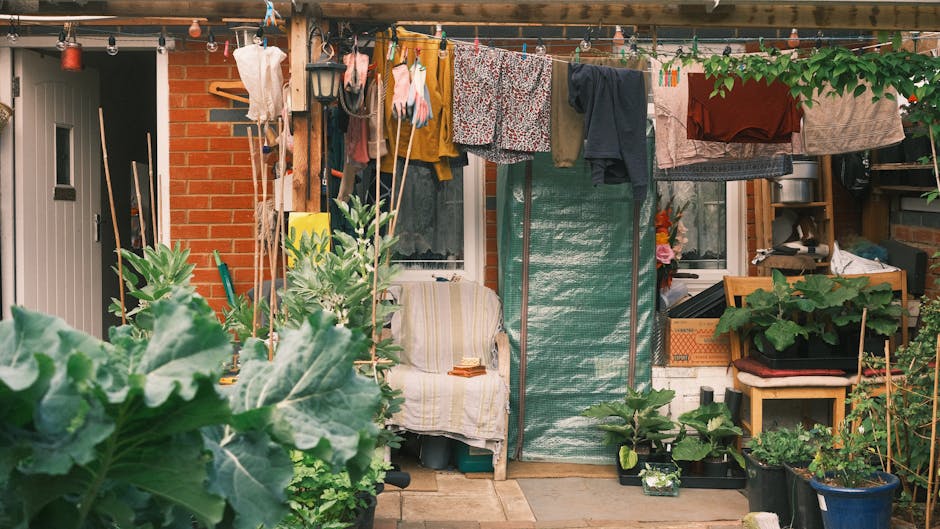
Common problems when gardeners access tight Woolwich terraces
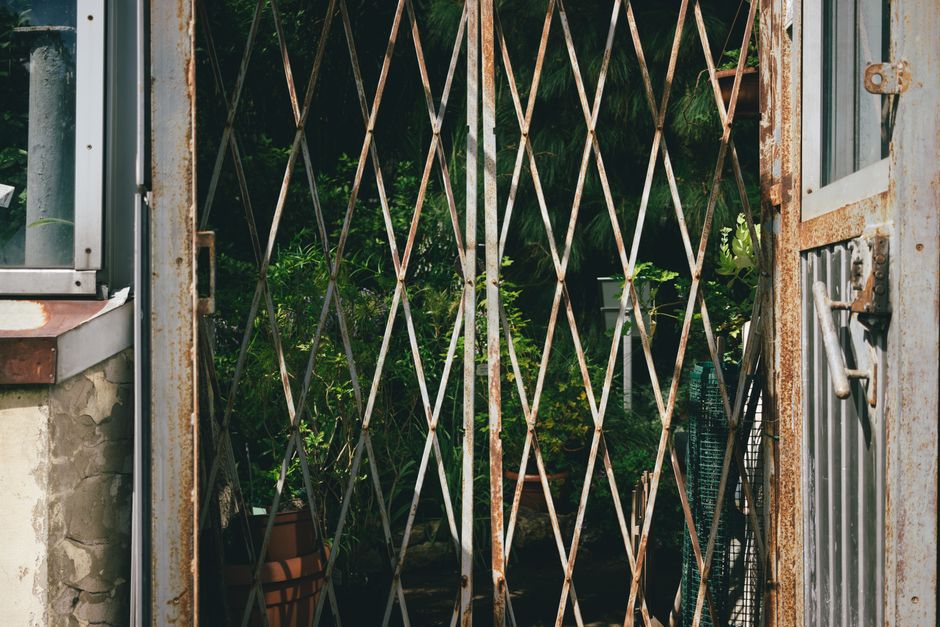
Tight terrace gardens can look simple from the street and then turn into a bit of a puzzle once the tools come out. If you live in Woolwich, you already know the kind of setup we mean: narrow side passages, shared walkways, awkward rear access, and nowhere to swing a mower without knocking into a fence or a flowerbed. The common problems when gardeners access tight Woolwich terraces are usually less about the garden itself and more about how to reach it safely, efficiently, and without turning the house into a muddy corridor.
That matters because access shapes everything else. It affects timing, labour, equipment choice, waste removal, and even the end result. A job that looks straightforward on paper can quickly become slower, messier, or more expensive if the access route is cramped. In this guide, we'll look at the practical issues gardeners run into, why they matter, how professionals usually work around them, and what you can do to make life easier before the first plant pot is moved. Small spaces, big headaches. But manageable ones.
Why Common problems when gardeners access tight Woolwich terraces Matters
Access sounds like a small detail until you have to carry hedge trimmings through a narrow kitchen, wheel a heavy barrow down a slim side return, or fit a mower through a gate that barely opens wide enough for your shoulder. In terraces, especially older London terraces, the garden may be compact but the route to it can be even more restricted. That creates friction at every stage of the work.
There's also the practical side. When access is poor, the job can take longer and create more disruption for you and your neighbours. Gardeners may need to split loads into smaller sections, use lighter tools, protect indoor flooring, and plan for more time on waste handling than on the visible gardening itself. Honestly, that is where expectations often go wrong.
For terrace homes in Woolwich, access issues often show up in a few predictable ways:
- narrow passageways that limit tool movement
- locked or shared side access that needs coordination
- low gates or stepped routes that make wheeled equipment awkward
- limited storage space for materials or cuttings
- soft ground or tight corners that make repeated trips slower
When these problems are handled well, the whole job feels calmer. When they are ignored, the work can become clumsy fast. Let's face it, nobody wants turf dragged through the hallway because nobody checked the route first.
How Common problems when gardeners access tight Woolwich terraces Works
The phrase may sound a bit technical, but the reality is straightforward: before any serious garden work begins, the gardener has to figure out how to reach the site, how to get tools in and waste out, and how to do all of that without damaging the property or delaying the task. In a tight terrace, the access plan is often as important as the gardening plan.
A good access assessment usually starts with a few simple questions. Can a mower fit through the gate? Is there a rear alley? Will large waste bags need to go through the house? Are there steps, low branches, or fragile surfaces along the route? These details shape whether the job can be done in one visit, whether extra labour is needed, or whether a different approach makes more sense.
In practical terms, gardeners often work in one of three ways:
- Direct access with hand tools - best when the route is narrow but usable, and when the job is mostly pruning, weeding, trimming, or light clearance.
- Split-load working - useful when materials must be carried in smaller amounts because a wheelbarrow or larger equipment will not fit cleanly.
- Planned clearance and staging - used for heavier jobs where cuttings, waste, soil, or timber are moved in a controlled sequence so the passage never gets blocked.
A lot depends on the garden itself too. If you're booking garden maintenance, the access challenge may be repeated month after month. For a one-off tidy-up, or something more involved like garden clearance, the crew may need more time just to set up and break down safely. That is normal. Not glamorous, but normal.
Key Benefits and Practical Advantages
Good access planning does more than save time. It can change the quality of the whole experience, for both the homeowner and the gardener. A terrace job that is well prepared usually feels quieter, tidier, and much less invasive.
Here's what you gain when access is thought through properly:
- Less mess indoors - flooring, carpets, and painted walls are less likely to be scuffed or marked.
- Safer working conditions - fewer trips, fewer awkward lifts, and less chance of a slip or strain.
- Faster completion - not because the garden is easy, but because the route is predictable.
- Better waste handling - clippings, soil, and bulky material can be moved without creating a bottleneck.
- Cleaner results - when the team isn't wrestling with access, they can focus more on the actual gardening.
There's also a knock-on benefit many people overlook: neighbour relations. In tight terraces, noise, bins, bags, and repeated foot traffic can affect adjacent properties. A disciplined access plan reduces all of that. Quietly, that makes a big difference.
Expert summary: In narrow terrace settings, the best gardening outcomes usually come from careful routing, lighter equipment choices, and clear expectations before the job starts. Access is not a side issue; it is part of the service design.
Who This Is For and When It Makes Sense
This topic is relevant to a lot more people than you might think. It is not just for homeowners with particularly awkward layouts. Anyone managing a compact rear garden, a shared access route, or a terrace with limited side space will benefit from thinking about access early.
It makes sense to plan carefully if you are:
- new to a terrace property and not yet familiar with the access route
- booking regular mowing or upkeep and want the work to run smoothly
- preparing for seasonal work such as cutting back growth or clearing leaf fall
- arranging a more intensive tidy-up after a period of neglect
- thinking about landscaping changes that will involve carrying materials through tight spaces
It is especially relevant if you are comparing services like lawn mowing, hedge trimming, or broader landscaping work. Each one creates different access pressures. A lawn cut might need little more than a narrow route for a compact mower, while a landscaping job could involve bags of aggregate, timber, or new planting materials. Bigger job, bigger access puzzle.
Step-by-Step Guidance
If you want to reduce hassle, the best approach is to treat access as part of the prep, not an afterthought. Here's a practical sequence that tends to work well in tight Woolwich terraces.
- Walk the route first. Check the path from street to garden. Look for width, turns, steps, low obstacles, and any surfaces that could be scratched or made muddy.
- Measure the narrow points. Even rough measurements help. Gate width, side passage width, and doorway clearance can save time and awkward guesswork later.
- Identify what has to move through. Think about wheelbarrows, bags of waste, pots, soil, paving, or timber. Some things sound small until you try to carry them around a tight corner.
- Decide what stays outside. If possible, leave large waste containers, soil bags, or bulk materials in a position that minimises indoor traffic.
- Protect the route. Use sheets, runners, or simple covers where needed, especially if the path runs through a hallway or kitchen.
- Choose the right tools. Compact, battery-powered, and hand tools often make much more sense than heavy machinery in terrace settings.
- Stage the work. Instead of blocking the route with everything at once, clear, cut, collect, and remove in smaller sections.
- Finish with a clean-through. Give the access route a final tidy so the house doesn't feel like part of the garden job.
If the work involves larger structural changes or a full outdoor redesign, the access plan should be discussed alongside the design itself. That is one reason some homeowners find it helpful to look at landscape gardening and related planning options before work begins. In narrow properties, good design and good access planning are joined at the hip, really.
Expert Tips for Better Results
After enough terrace jobs, a few patterns become obvious. The sites that run well are rarely the ones with the fanciest equipment. They are the ones where the access route has been respected from the beginning.
Keep the job lightweight where possible
In very tight spaces, smaller tools often outperform larger ones. A compact mower, folding hand tools, and lighter waste bags can save a surprising amount of effort. It sounds obvious, but people often try to solve an access problem with brute force. That usually ends in frustration and sore shoulders.
Work from the garden outward
One useful trick is to start as far inside the garden as possible and work back towards the access point. That reduces the amount of back-and-forth clutter in the route. You will notice the difference most on clearance jobs, where every extra trip adds up.
Plan for waste before the cut starts
Waste is often the hidden issue. Once clippings start piling up, a narrow path can become blocked very quickly. Set aside a clear collection point and keep it small enough that bags and bundles can still pass through safely.
Ask about shared access early
If the terrace shares a side path, alley, or rear gate, get clarity on access times and permissions before the day of the work. It saves those awkward little moments where everyone is standing around waiting for someone else's key. Not ideal.
Use the weather to your advantage
Wet weather makes tight access even trickier because mud transfers easily and routes become slippery. A dry morning is far better for moving materials through a house or along a narrow passage. If the weather turns, slow down and protect the route more carefully.
Common Mistakes to Avoid
A lot of access problems are avoidable. Not all of them, of course, but many. The mistake is usually not the narrow terrace itself; it is underestimating what that narrowness means in practice.
- Assuming standard equipment will fit. A tool that works fine in a suburban garden may be a nuisance in a Woolwich terrace.
- Ignoring indoor routes. If the garden can only be reached through the house, the interior needs just as much care as the exterior.
- Leaving waste until the end. That can create one big, awkward blockage right when the space is already congested.
- Not checking gate locks or keys. It sounds minor. Then the team arrives and cannot get through. Cue the sighing.
- Forgetting about neighbours. Repeated trips, noise, and temporarily stored materials can all become issues if no one has been informed.
- Overloading bags or barrows. Heavy loads in tight spaces are harder to control and more likely to cause damage.
One small but important point: access problems often magnify in bad weather or poor light. A route that feels manageable at 10 a.m. can feel very different at dusk in November. Simple, but worth saying.
Tools, Resources and Recommendations
For tight terrace work, the best tools are usually the ones that reduce bulk, improve control, and make repeated movement easier. You do not need a huge kit. You need the right kit.
| Task | Better choice in tight access | Why it helps |
|---|---|---|
| Lawn cutting | Compact mower or hand tools | Easier to carry, turn, and store during the job |
| Hedge and shrub work | Light trimmers and secateurs | Less strain through narrow routes and easier control near walls |
| Waste removal | Smaller bags and staged collection | Prevents blocked walkways and reduces trip hazards |
| Surface protection | Protective sheets or runners | Helps keep hallways, steps, and paving cleaner |
| Heavier garden changes | Planned delivery in small loads | Safer for tight access and easier to manage in sequence |
For people who want ongoing help rather than one-off visits, it may be worth looking at a regular garden maintenance arrangement. Regular visits tend to be easier on narrow properties because the garden never gets so overgrown that access becomes a battle in itself. That is one of those quiet wins nobody brags about, but everybody appreciates.
If you are also comparing contractors, practical questions matter more than fancy promises. For example: do they bring compact equipment? Will they protect the route? Do they understand terrace access in older London homes? Do they have a sensible process for waste handling? Those answers tell you far more than a polished sales pitch.
Law, Compliance, Standards, or Best Practice
This topic is mostly about safe working practice rather than complex regulation, but that does not mean compliance can be ignored. In the UK, gardeners and property owners alike should think about safe movement, basic risk control, and the condition of access routes before any work begins.
In plain English, best practice usually means:
- keeping walkways clear of trip hazards
- using tools suitable for the space
- avoiding overloading when carrying waste or materials
- protecting indoor floors and narrow external paths
- being careful with sharps, heavy objects, and unstable stacks
If work involves higher-risk tasks, such as tree work or large-scale clearance, the standard of planning should go up, not down. That is where services like tree lopping and removal and garden clearance need especially careful access control, because debris, branches, and cutting waste can become awkward very quickly in a terrace setting.
It is also sensible for customers to check insurance and safety expectations before work starts. A reputable provider should be able to explain how they reduce property damage and manage site risks. If you want a broader sense of how a company frames those responsibilities, pages like insurance and safety and health and safety policy can help you understand the sort of standards a customer should expect.
Options, Methods, or Comparison Table
There is no single right way to handle narrow terrace access. The best option depends on the job, the size of the route, and how much disruption you can tolerate. Here is a simple comparison.
| Method | Best for | Advantages | Drawbacks |
|---|---|---|---|
| Hand-carrying tools and waste | Light maintenance jobs | Flexible, low equipment needs, good for very tight routes | Slower and more physically demanding |
| Compact equipment | Regular mowing and tidy-ups | Efficient without needing much space | May still struggle with very narrow gates or steep steps |
| Staged removal | Clearance and larger garden jobs | Prevents blocking routes and helps keep order | Needs more planning and time |
| Full redesign support | Problem gardens needing layout changes | Can improve long-term access and usability | Higher upfront effort and more coordination |
For a terrace that is constantly hard to service, a design tweak may eventually be worth more than another year of workaround after workaround. Sometimes the smartest move is not to keep fighting the same narrow path.
Case Study or Real-World Example
Picture a typical Woolwich terrace: a small rear garden, a gate that opens inward, a side return just wide enough for one person, and a hallway that has to be crossed to reach the back. The garden has been left for a while, so there are brambles near the fence, a patchy lawn, and a few broken pots sitting near the shed. Nothing dramatic, but plenty to think about.
A sensible gardener would not begin by dragging a mower straight through. First, they would check the route and clear the obvious obstacles. Then they would separate the job into sections: light pruning, surface tidy-up, waste bagging, and final clearance. If the route through the house needed protection, that would be set down before anything dirty started moving. The work might take a bit longer than a big open-garden job, but the result would be cleaner and less stressful for everyone involved.
That kind of job is where the difference really shows. You can almost hear the change in tempo: fewer interruptions, fewer awkward pauses, less of the "hang on, this won't fit" moment. And yes, that moment happens more often than anyone admits.
Practical Checklist
Use this checklist before a gardening visit to a tight terrace. It is simple, but it catches a lot of the avoidable problems.
- Measure the gate, side passage, and any doorway the team may need to use
- Confirm which access route will be used, and who holds the key if relevant
- Clear loose items from the route, including plant pots and bins
- Protect flooring or paving if tools and waste will pass through them
- Check whether the job needs compact equipment rather than standard gear
- Identify where cuttings and waste can be staged without blocking movement
- Tell neighbours if there may be repeated trips, noise, or temporary obstruction
- Make sure the access route is safe in wet weather and at the planned time of day
- Ask how the team plans to handle bulk waste or larger debris
- Keep expectations realistic if the work involves clearance, pruning, or material delivery
Checklist done, and already the job feels easier. Funny how that works.
Conclusion
The common problems when gardeners access tight Woolwich terraces usually come down to three things: limited space, awkward routes, and poor planning. None of those are unusual, and none of them have to derail the job. With the right preparation, compact tools, sensible staging, and a clear idea of how waste and materials will move, even a very tight terrace can be worked on properly.
What matters most is not pretending the access issue does not exist. It is acknowledging it early, then building the job around it. That is where the time savings, safer working, and cleaner finish really come from. If you are comparing options for regular upkeep, bigger changes, or one-off tidying, it is worth choosing a service approach that respects the reality of terrace living rather than forcing a one-size-fits-all method.
If you are ready to make the next step easier, start with a clear conversation about the route, the tools, and the end result you want. That simple bit of planning can save a lot of frustration later, and it usually makes the garden feel more manageable straight away.
Get a free quote today and see how much you can save.
Frequently Asked Questions
What are the main access problems in tight Woolwich terraces?
The main issues are narrow gates, slim side passages, shared or locked rear access, stairs, and the need to move tools or waste through the house. These constraints slow the job down and increase the chance of damage or mess if they are not planned for properly.
Can gardeners work through a house if there is no side access?
Yes, often they can, but the interior route needs protecting. That usually means using covers, keeping loads manageable, and agreeing in advance which rooms or corridors will be used. It is entirely workable in many terraces, just a bit more careful.
Do tight access gardens always cost more to maintain?
Not always, but they can take longer, especially for clearance or larger pruning jobs. Extra time, extra trips, and awkward movement may affect the quote. The exact impact depends on the garden, the route, and how much material needs to be removed.
What type of garden work is hardest in a terrace property?
Heavy clearance, tree work, and landscaping are usually the hardest because they involve bulky waste or materials. Regular mowing and light trimming are easier, provided the access route is suitable for compact equipment.
How can I help a gardener before they arrive?
Clear the route, unlock any gates, move loose items, and let them know about narrow points or indoor pathways. A quick walkthrough before the visit can prevent most of the small delays that add up later.
Is it better to use smaller tools in tight access gardens?
Usually, yes. Smaller, lighter tools are easier to carry, less likely to damage walls or flooring, and simpler to turn in narrow spaces. They are not always faster in open areas, but in terraces they often make a lot more sense.
What should I ask a gardener about access before booking?
Ask whether they have worked on terrace gardens before, what tools they will bring, how they will protect indoor routes, and how they plan to remove waste. Those are practical questions, and they tell you a lot.
Can poor access damage my hallway or flooring?
It can, yes, if tools, soil, or clippings are carried through without protection. That is why route covering and careful handling matter so much. A little preparation prevents a lot of scrubbing afterwards.
What if my garden is overgrown and access is even worse?
That is common, actually. Overgrowth often narrows the usable path even more. In that case, the first stage is usually clearance: opening the route, removing waste in sections, and making the space workable again before the main garden tasks begin.
How do gardeners handle waste in a very narrow terrace?
They often bag it in smaller loads, stage it in a clear area, and move it out in sections rather than in one huge pile. That keeps the route usable and reduces the chance of blocking access mid-job.
Are there any best practices for shared terrace access?
Yes: agree timings, keep noise and movement to a minimum, avoid blocking shared paths, and be clear about where tools or waste will be placed. In shared spaces, courtesy is part of good workmanship, plain and simple.
When should I consider landscaping instead of just maintenance?
If the garden is hard to reach, hard to clean, and awkward every single visit, a layout change may be worth considering. Sometimes a better pathway, simpler planting, or a more usable surface can make future maintenance much easier.
How do I choose between garden clearance and regular maintenance?
If the space is badly overgrown or cluttered, garden clearance is usually the better starting point. If the garden is already in decent shape and just needs routine care, maintenance is more suitable. The access route can influence that choice too, because a messy garden tends to make tight access even harder.
For more background on the company and the way services are organised, you can also look at services overview, about us, and pricing and quotes. If you want to check wider customer information or policies, recycling and sustainability and payment and security are useful places to start too.
And if you need to get in touch after reading through the practicalities, the next sensible step is simple: share the access details clearly and let the garden work begin on the right foot.