Woolwich Common garden clearance gardeners with waste permit
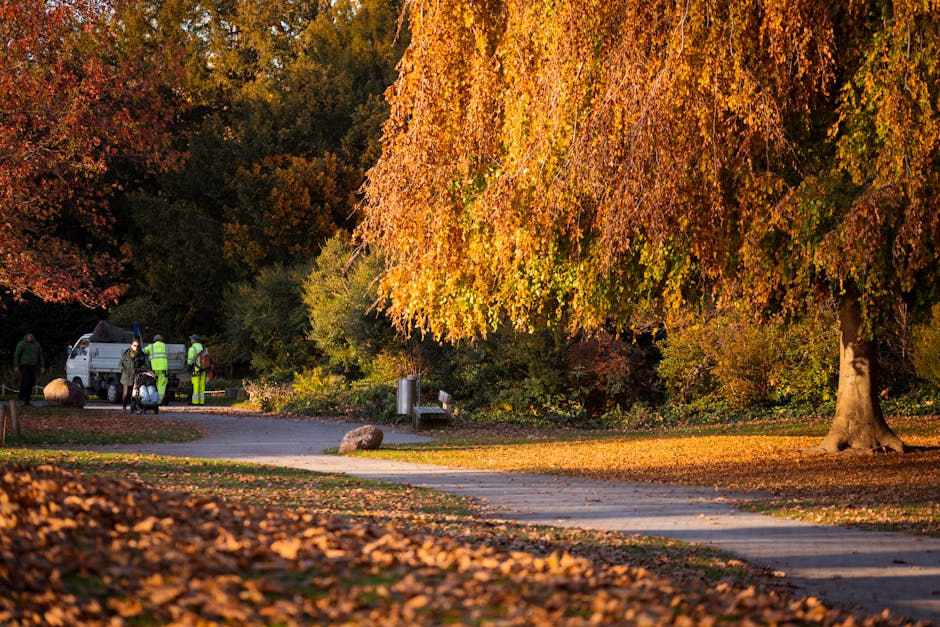
If you are staring at a garden that has slipped past the "I'll deal with it next weekend" stage, you are not alone. Overgrown borders, broken branches, old turf, green waste, and a few mystery items tucked behind the shed can turn a simple tidy-up into a full clearance job very quickly. That is where Woolwich Common garden clearance gardeners with waste permit come in: they clear, load, transport, and dispose of garden waste properly, without leaving you with an awkward mess or a compliance headache.
For homeowners, landlords, letting agents, and anyone preparing a property for sale or rent, the right team can make a huge difference. In this guide, you will find how the process works, why a waste permit matters, what to expect, and how to choose a service that feels straightforward rather than stressful. We will also cover practical mistakes to avoid, a useful checklist, and the bits people often forget until they are standing in a half-cleared garden wondering what comes next.
Truth be told, garden clearance is one of those jobs that looks easier before you start. Then the pile grows. Fast.
Why Woolwich Common garden clearance gardeners with waste permit Matters
Garden clearance is not just about making a space look neat again. It is also about removing waste responsibly, protecting the property, and avoiding the sort of issues that crop up later when debris is left to rot, block access, or attract pests. A permit matters because once garden waste leaves your property, it needs to be transported and handled properly by someone authorised to carry waste.
That sounds dry, but it is actually a big trust signal. If a gardener is willing to show they can carry waste legally and deal with disposal correctly, you are less likely to end up with fly-tipped rubbish, vague pricing, or a job that looks finished but is not really finished. Around Woolwich Common, where gardens can range from compact urban plots to larger family spaces, clear access and reliable waste removal are especially helpful.
There is also the practical side. Wet cuttings, thorny brambles, heavy soil, old fencing offcuts, and bags of mixed green waste are not fun to shift yourself. A proper team knows how to break the job down safely and quickly. And if your garden has been left a bit wild after a season of rain and growth, that first clear-out can feel like a reset button.
Expert summary: if the clearance job includes loading and removing waste, the safest expectation is that the contractor should be able to demonstrate lawful waste handling, sensible sorting, and a clean end result. Simple as that.
How Woolwich Common garden clearance gardeners with waste permit Works
The process usually starts with a site visit, photos, or a description of the garden. From there, the gardener assesses the scope: what needs cutting back, what needs lifting and loading, what can be composted or chipped, and whether any bulky items or timber need separate handling. A good provider will ask enough questions to avoid surprises, not just shout a quick price and hope for the best.
Once the job is agreed, the team usually arrives with the right tools, bags or tubs for waste, and transport for removal. Clearance can be as light as stripping out weeds and cuttings, or as involved as clearing an entire overgrown area, including old shrubs, bramble, dead growth, and garden junk that has accumulated over time. In some cases, it may be paired with related work such as garden maintenance, hedge trimming, or tree lopping and removal if the space needs more than a tidy-up.
The waste permit side comes in when material is being taken off site. Green waste, soil, timber, clippings, and mixed garden debris should not just disappear into a van and be forgotten. A legitimate service will separate waste where appropriate, take it to the proper facility, and keep the paperwork or internal records required for responsible disposal. You do not need to run the operation yourself, but it helps to know the basics.
A typical clearance job may include:
- cutting back overgrowth and brambles
- removing weeds, dead plants, and hedge trimmings
- collecting leaves, branches, and general green waste
- lifting and bagging debris
- loading waste for transport
- leaving the site swept and safe where possible
If the garden is being cleared ahead of redesign work, it is sensible to look at wider options too, such as landscaping or landscape gardening. Clearance and redesign often go hand in hand.
Key Benefits and Practical Advantages
The main benefit is obvious: you get your garden back. But the real value sits in the details. A careful clearance team saves time, removes physical strain, and helps you avoid disposal mistakes that can become costly or inconvenient later. Let's face it, most people do not want to spend a Saturday afternoon wrestling ivy and trying to fit a damp hedge into a car boot.
Here are the strongest practical advantages:
- Cleaner results: a proper clearance leaves the space usable, not just less cluttered.
- Safer working: fewer hidden trip hazards, better access, and reduced risk from sharp or heavy waste.
- Better compliance: waste is handled by a team that should be able to manage removal properly.
- Less stress: no guessing where waste should go or how to transport it.
- Better for future work: cleared ground makes mowing, planting, decking, or repairs easier.
There is also a subtle but important benefit: momentum. A neglected garden can feel intimidating. Once the first major clearance is done, the rest of the space often feels much more manageable. You can see paths again. You can plan. You can breathe a bit.
For people who want ongoing support after a clearance, pairing the job with lawn mowing or regular garden maintenance can stop the same problem returning too quickly. That follow-up matters more than people think.
Who This Is For and When It Makes Sense
This kind of service suits more people than you might expect. It is not only for badly overgrown gardens. Sometimes it is for neat gardens that simply need a fast reset. Other times it is a necessity because the property is changing hands, tenants have moved out, or the outdoor space has become difficult to manage safely.
It usually makes sense if you are:
- a homeowner dealing with seasonal overgrowth
- a landlord preparing a property for new tenants
- a letting agent arranging a pre-let tidy-up
- a seller wanting better kerb appeal
- someone recovering after illness, injury, or a busy period
- a family sorting a neglected garden after a long gap
It also makes sense if the job includes more than a basic tidy. For example, a garden with thick bramble, old fencing, broken planters, and a tree that needs attention is probably beyond a quick DIY clear-out. You could do it yourself, of course, but by the time you have filled two bags, borrowed a trailer, and spent half the day arguing with roots, you may wish you had called in the professionals.
If you are comparing providers, it can help to review the broader services overview so you understand how clearance fits alongside other garden work. That makes the decision a bit clearer, especially if the job might expand once the mess is visible.
Step-by-Step Guidance
If you want to know what a sensible garden clearance process looks like, here is the clean version. Not glamorous, but effective.
- Assess the garden honestly. Walk the space and note what needs removing, cutting, lifting, or separating. The more specific you are, the smoother things go.
- Decide what should stay. Mark plant pots, mature shrubs, ornaments, or features you want preserved. A quick conversation here prevents accidental over-clearance.
- Ask about waste handling. Confirm how green waste and mixed rubbish will be removed and whether the team has the right permit arrangements for transport and disposal.
- Request a clear quote. A good quote should reflect access, volume, labour, and waste removal. If it sounds too vague, it probably is.
- Prepare access. Move vehicles if needed, unlock gates, and make sure the team can get to the work area without constantly tiptoeing around obstacles.
- Carry out the clearance. The team should work methodically, sorting waste as they go and keeping the site as tidy as possible.
- Do a final walk-through. Check what has been removed, what has been left, and whether any follow-up work is needed.
A small but useful tip: take a few photos before the clearance starts. Not because you expect trouble, but because it helps everyone agree on what was there at the beginning. It keeps things simple. Honestly, simple is underrated.
If the garden is being cleared as part of a wider improvement plan, it is often worth scheduling follow-on work soon after, rather than leaving the site half-reset for weeks. Freshly cleared ground can be a brilliant starting point for more considered outdoor improvements, including hedge trimming and structural changes such as decking services.
Expert Tips for Better Results
There are a few habits that separate a decent clearance from a smooth one. None of them are complicated, but they save time and avoid friction.
- Separate the "keep" items early. Plant pots, watering cans, tools, and decorative pieces should not be left to the last minute.
- Flag heavy materials. Soil, rubble, wet timber, and dense cuttings can change the time and waste plan quite a lot.
- Be honest about access. Narrow side passages, steps, or shared access can affect labour and loading time.
- Ask how waste is sorted. Clear separation often helps with disposal efficiency and sustainability.
- Plan for weather. A wet garden is heavier, messier, and slower. A simple shower can turn a tidy job into a squelchy one.
One thing people sometimes overlook is smell. Old wet leaves, decomposing plant matter, and long-undisturbed waste can have that earthy, sour scent that fills the air as soon as the pile is moved. It is normal. Not pleasant, but normal. A good team knows how to clear that kind of material without dragging it through the rest of the property.
Another smart move is to think ahead about what happens after clearance. If you want to stop weeds returning or keep paths accessible, a maintenance plan can be more useful than a one-off tidy. That is where ongoing garden maintenance can really pay for itself over time.
Common Mistakes to Avoid
Most problems with garden clearance are not dramatic. They are just inconvenient. A little bit of care up front avoids a lot of annoyance later.
- Choosing on price alone. Cheap quotes can hide weak waste handling, rushed labour, or poor communication.
- Not clarifying what counts as waste. Green waste, soil, timber, and mixed rubbish may be treated differently.
- Forgetting access details. A narrow gate or limited parking can affect how the job is done.
- Leaving valuables in the garden. It sounds obvious, but lost tools and plant markers happen more than people admit.
- Skipping a final check. If you do not inspect the work, small missed items can linger.
Another common mistake is assuming all "gardeners" offer the same level of waste removal. They do not. Some are set up mainly for cutting and maintenance, while others are better equipped for full clearance and disposal. If waste needs to leave the site, that should be part of the conversation from the start.
And yes, there is a certain temptation to push everything into a corner and call it "done for now." We have all seen that approach. It tends not to age well.
Tools, Resources and Recommendations
For a proper garden clearance, the right tools matter more than people expect. The exact kit depends on the site, but the usual basics include cutting tools, pruning gear, sturdy gloves, waste bags or tubs, wheelbarrows, rakes, and transport suited to the volume being removed. Larger or more tangled gardens may need additional equipment for cutting dense growth or moving bulky waste safely.
If you are hiring a service, it is worth asking whether they can handle the full range of materials in your garden. A few common examples:
- hedge cuttings and trimmings
- branches and smaller limbs
- brambles and thorny growth
- leaf litter and soft green waste
- old planters, compost, and soil
- light garden clutter and debris
For readers who want a better understanding of service quality and reassurance, the following pages can be helpful. Insurance and safety explains the kind of practical protection you should expect from a responsible provider, while health and safety policy gives a useful sense of how risk is approached in day-to-day work. If you care about disposal standards, recycling and sustainability is worth a look too.
For costs and planning, the pricing and quotes page is a sensible starting point. No one likes surprises on the invoice. Well, almost no one.
Law, Compliance, Standards, or Best Practice
When garden waste is taken away by a professional, the key point is that waste handling should be lawful and responsible. In the UK, anyone transporting waste for business purposes is generally expected to be properly authorised, keep suitable records where required, and dispose of waste at approved facilities. You do not need to become an expert in waste law, but you do want to know that the person loading your cuttings is not going to dump them somewhere they should not.
Best practice usually includes:
- clear separation of green waste and mixed waste where practical
- safe loading methods to avoid injury or spillage
- transport that is suitable for the material being moved
- proper disposal rather than informal dumping
- clear communication about what is included and what is not
Insurance also matters. A team working in gardens should be able to show that it takes safety seriously, especially if there are narrow access routes, fragile paving, or nearby structures. It is reasonable to ask about this. In fact, it is a good sign when a company welcomes the question rather than dodging it.
For general confidence in how a business operates, you can also look at the about us page and supporting policy pages such as the terms and conditions and payment and security information. They help set expectations before any work begins.
Options, Methods, or Comparison Table
There is more than one way to deal with a neglected garden. The right choice depends on size, access, waste volume, and how quickly you need the space cleared.
| Method | Best for | Strengths | Limitations |
|---|---|---|---|
| DIY clearance | Small tidy-ups and light waste | Low direct cost, full control | Time-consuming, physically demanding, disposal still needs sorting |
| Basic gardener visit | Routine tidying and minor cutback | Good for maintenance tasks | May not suit bulky waste or heavy clearance |
| Garden clearance with waste permit | Overgrown gardens, bulky waste, mixed debris | Efficient, compliant waste handling, less hassle | Usually higher cost than doing it yourself |
| Clearance plus follow-up maintenance | Gardens that need a reset and ongoing control | Helps prevent re-growth and repeat build-up | Requires more planning upfront |
In many real situations, the third option is the sweet spot. You get the labour, the loading, the transport, and the removal handled in one go. If the garden then needs a second stage, combining the clearance with lawn mowing or targeted tree lopping and removal can give a much cleaner finish.
Case Study or Real-World Example
Imagine a small Woolwich Common property with a rear garden that has not been touched properly for months. The lawn is patchy and tall, the hedge has flared out, a few branches have dropped after windy weather, and there is a heap of old cuttings behind the shed. Nothing dramatic, just enough to make the space feel awkward and slightly embarrassing when you open the back door.
The clearance team starts by identifying what must stay: a few potted herbs, a bird feeder, and some garden furniture to be kept for later. They then cut back the overgrowth, gather the green waste, separate thicker material from soft clippings, and load everything for removal. Because the waste is being handled by a team with the proper permit arrangements, the homeowner does not need to worry about where it ends up.
By the end, the garden is not magically "finished" in the design sense. But it is usable again. Paths are visible. The back step is clear. The smell of damp compost has gone. That alone changes how the whole house feels. And that is often the real win with clearance work.
If the owner decides to improve the space later, the cleared ground makes the next stage much easier. A tidy starting point is everything when planning landscaping or more structured landscape gardening. You cannot build well on top of chaos. Not usually, anyway.
Practical Checklist
Use this checklist before booking a garden clearance service. It keeps things calm and saves back-and-forth later.
- Confirm exactly what needs clearing
- Mark items to keep before work starts
- Ask how garden waste will be collected and removed
- Check that the team can handle bulky or mixed materials if needed
- Describe access issues such as narrow gates, steps, or parking limits
- Ask whether the service includes loading and disposal
- Review pricing so you understand what is included
- Make sure safety and insurance expectations are clear
- Take before photos if the job is substantial
- Plan any follow-up maintenance or redesign work
That last point is worth repeating. Plan the next step. Otherwise the garden can drift back into the same state before you have even had time to enjoy the cleared space.
Conclusion
Woolwich Common garden clearance gardeners with waste permit offer more than a tidy-up. They provide a practical, compliant way to reset an outdoor space, remove unwanted waste, and avoid the hassle of sorting out transport and disposal yourself. For overgrown gardens, end-of-tenancy clearances, or properties that simply need a fresh start, that combination of labour and responsibility is hard to beat.
The best results usually come from clear expectations, honest access details, and a team that treats waste handling seriously from the beginning. If you are comparing options, look beyond the headline price and think about the whole job: cutting, loading, disposal, finish, and what happens next. That is where the real value sits.
Get a free quote today and see how much you can save.
When the garden is finally clear, even a small patch of sunlight on the lawn can feel like a fresh beginning. Not a bad feeling at all.
Frequently Asked Questions
What does a waste permit mean for garden clearance?
It means the contractor is set up to transport and manage waste properly rather than just shifting it around informally. For garden clearance, that matters because cuttings, branches, soil, and mixed debris need lawful disposal once they leave your property.
Do I need a waste permit to clear my own garden?
If you are dealing with your own garden waste on your own property, the situation is different from a business collecting and transporting waste for others. The permit issue mainly matters when a professional is removing waste as part of a commercial service.
How do I know if a gardener can legally take away my waste?
Ask directly how they handle disposal and whether waste removal is included. A trustworthy provider should be able to explain their process clearly without dodging the question. If the answer feels vague, that is usually a sign to keep looking.
Is garden clearance the same as regular garden maintenance?
Not quite. Garden maintenance is usually ongoing care such as mowing, trimming, weeding, and general tidying. Garden clearance is more intensive and focuses on removing built-up waste, overgrowth, and neglected material.
How long does a garden clearance usually take?
It depends on access, the amount of waste, and how overgrown the space is. A light clearance may take only a short visit, while a heavily neglected garden can take much longer. The honest answer is that every garden behaves a bit differently.
Can garden clearance include tree branches and hedge cuttings?
Yes, often it can. Smaller branches, hedge trimmings, and general green waste are commonly part of clearance work. If you have larger limbs or tree-related work, it may be worth combining the job with tree lopping and removal.
What should I ask before booking a clearance service?
Ask what is included, how waste will be removed, whether the team has the right disposal arrangements, how access affects the job, and whether the quote covers all labour and loading. A few short questions now can save a lot of awkwardness later.
Will the team remove everything from the garden?
Only if that is clearly agreed in advance. It is always better to point out items you want kept, such as furniture, plant pots, or decorations. Never assume the crew can tell what you meant to keep from what you meant to remove.
Is a clearance service useful before landscaping work?
Absolutely. Clearing the site first makes planning and installation much easier. Once the old growth and debris are gone, it is simpler to assess what is possible and whether the space needs landscaping or more detailed landscape gardening.
What if my garden is only partly overgrown?
That is still a valid reason to book a clearance or cutback service. Many jobs are not full jungle rescues. Sometimes the issue is just one troublesome corner, a hedge that has got away, or a pile of clippings that never made it to the tip.
How can I keep the garden from building up again?
Ongoing care is the simplest answer. Regular mowing, hedge trimming, and scheduled maintenance help stop the same problem returning. Even a light monthly plan can make a garden feel far easier to manage than occasional emergency clean-ups.
Where should I start if I want a quote?
Start with a clear description of the garden, what needs removing, and any access issues. From there, a provider can usually advise on likely scope and next steps. If you are comparing service options, the pricing and quotes page is a sensible place to begin.